Does Saffron Expire? A Storage Guide for Threads
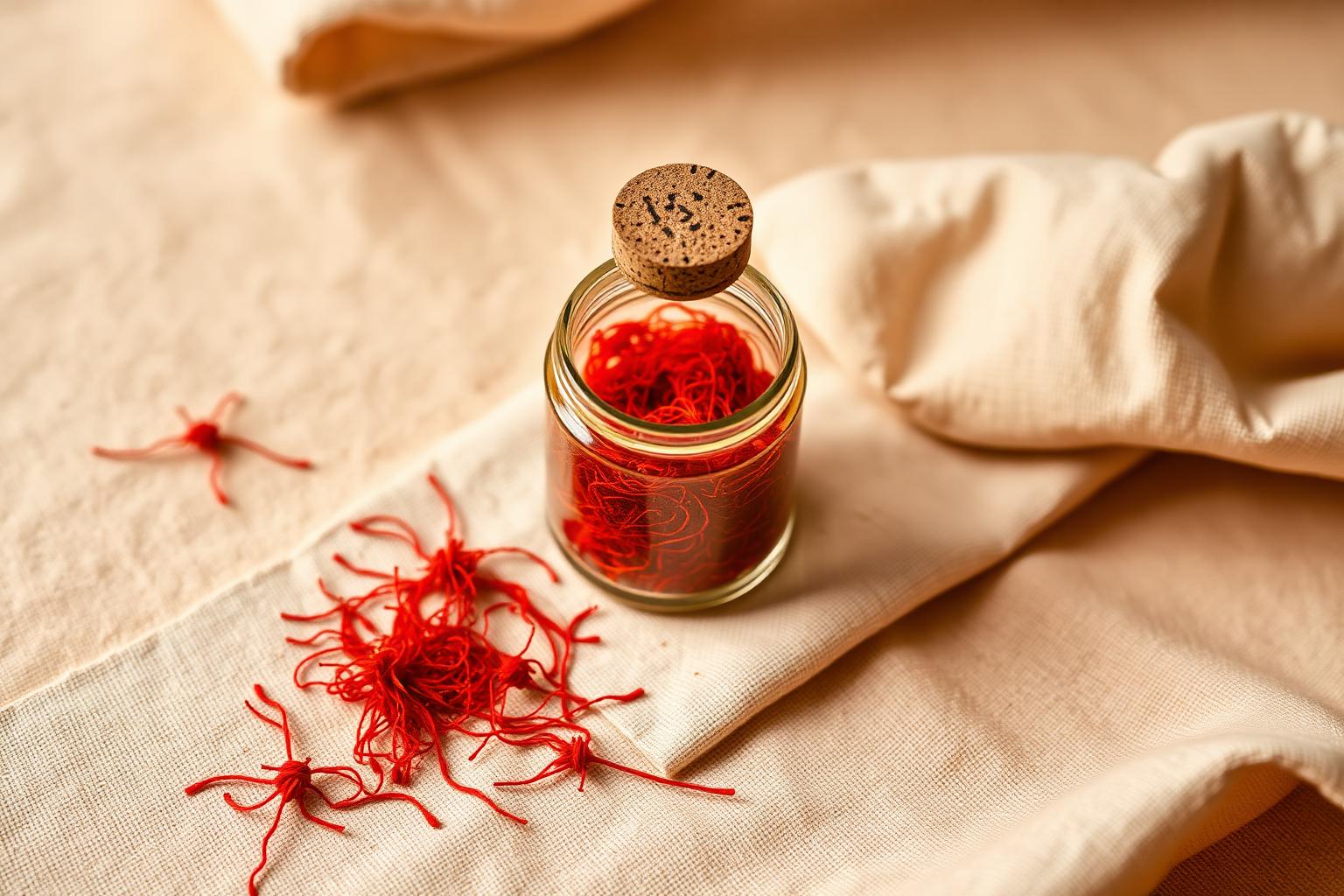
Saffron threads last 2–3 years sealed, but lose color and aroma faster than you think. Learn the storage rules that protect crocin, picrocrocin, and safranal.
Saffron is a dry spice with almost no moisture and no fat. It doesn't go rancid. It doesn't grow mold under normal storage. So technically it never "expires" the way milk or olive oil does. But that's not the question that matters. The real question is: does it still work? Because saffron's value isn't in the threads themselves — it's in three fragile aromatic compounds inside them. And those compounds fade. The Three Compounds That Define Saffron Crocin — the carotenoid responsible for saffron's golden color. Sensitive to light. Picrocrocin — the source of the characteristic slightly bitter, complex flavor. Sensitive to heat. Safranal — the volatile compound behind the floral, hay-like aroma. Sensitive to air and oxygen. ISO 3632 is the international standard that measures all three. When saffron is fresh, a Category I grade (Super Mongra Kashmiri) tests at 200+ for crocin. After two years of poor storage, that number can drop by 30–50% — meaning the same threads color a paella half as deeply and taste muted. How Long Saffron Actually Lasts Storage condition Useful life Sealed jar, dark cupboard, room temp 2–3 years Sealed jar, refrigerator (in airtight bag) 3–4 years Sealed jar, freezer (vacuum-sealed) 5+ years Open jar on a sunny counter 3–6 months before noticeable fade These are aroma/potency timelines, not safety timelines. Saffron that's two decades old won't make you sick — it will just taste like expensive dust. The Four Storage Rules 1. Airtight, always. Safranal is volatile — it evaporates. Every time you open the jar, you lose a little aroma. Keep saffron in its original sealed container or transfer to a small, airtight glass jar with minimal headspace (less air on top = less oxidation). 2. Dark, always. Light degrades crocin (the color compound) faster than anything else. Never store saffron on a windowsill or open spice rack. A closed cupboard or a tin works. If your jar is clear glass, keep it inside a box or drawer. 3. Cool, but not condensing. Room temperature is fine for normal use. If you bought a large amount and won't use it within a year, the freezer extends potency dramatically — but only if vacuum-sealed . Saffron is hygroscopic; condensation from a regular freezer bag will ruin it faster than leaving it on the counter. 4. Whole threads, never powder. Powdered saffron loses aroma 3–4x faster than whole threads — more surface area exposed to air. Always buy threads and crush or bloom them just before use. How to Tell If Your Saffron Has Faded Run the water test: drop 5 threads in room-temperature water and wait 15 minutes. Still potent: water turns deep amber-gold, threads stay red. Past its peak: water turns pale yellow, threads look brownish or limp. Dead: water barely tints, no aroma when you crush a thread. Reviving Tired Saffron If your saffron is past peak but not dead, blooming becomes more important. Soak threads in warm water, milk, or stock for 20–30 minutes (instead of the usual 10) and crush gently with the back of a spoon. You'll extract more from what's left. The Bottom Line Buy fresh-harvest saffron in small quantities (1–2 grams at a time for most home cooks), store it airtight in the dark, and use it within 18 months for peak flavor. The flavor difference between fresh and faded saffron is dramatic — and at saffron prices, it's worth getting right. Every gram of Param Kesar® saffron ships in an airtight, light-blocking container with a fresh-harvest date stamped on the lid. Store it well and it'll outlast its warranty.